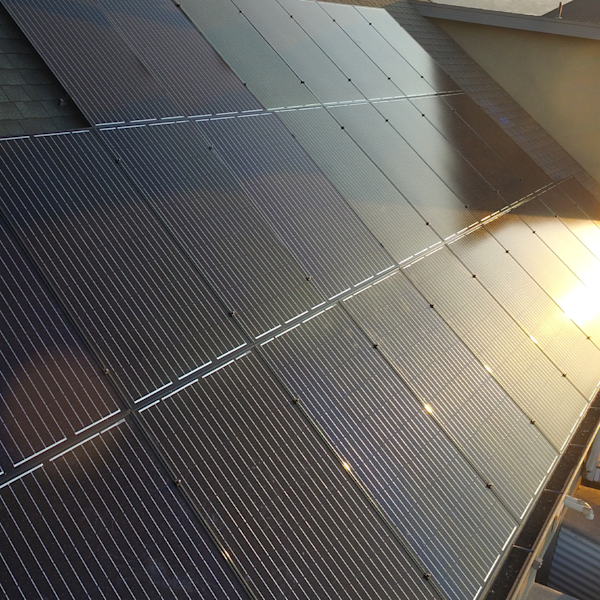
Monolith
Premium panel technology, explained without the fluff
Monolith is Lumina’s new premium panel standard, built around REC’s highest-tier, full-black residential modules and installed with disciplined design and documentation. It is for homeowners who want performance, longevity, and an exterior that looks deliberate and cohesive.
Up to 470W class output. Up to 22.6% efficiency. Full-black roofline.
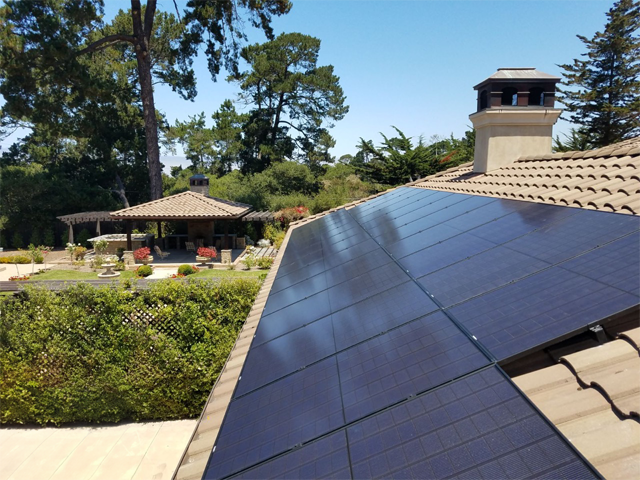
A premium panel standard
A lot of solar marketing stays generic. Monolith is the opposite. It is a specific set of panel capabilities we choose on purpose because they matter in the real world.
What we mean by “Monolith”
High power density for limited roof space
Strong behavior in heat
Better tolerance for partial shade
A clean, uniform full-black finish
What we add at Lumina
Redundancy-minded electrical planning
Tight commissioning habits
Clear documentation that supports long-term serviceability
More power per square foot
Roof space is the real constraint for many homes. Monolith focuses on extracting more production from the footprint you have.
REC’s Alpha Pure-RX line is positioned for high residential power density, with performance figures that support fewer panels for a given target when compared to lower-tier modules.
What this means in practice
Cleaner roof layouts with fewer modules in many designs
Better fit for complex roof geometry
More room to prioritize setbacks, vents, skylights, and aesthetic alignment
Stronger output when panels run hot
Summer is often when your home needs the most energy. Heat also reduces solar output across the industry, which makes heat performance a meaningful differentiator.
Monolith boasts a PMAX temperature coefficient of -0.24%/°C. Lower magnitude losses can translate to better midday production during hot conditions.
Why we care about this
Heat is not an edge case
It is a daily reality in peak season
Better heat behavior supports more predictable output

Designed to keep producing in partial shade
Shade is almost never all-or-nothing. It is usually a moving shadow from a vent, a chimney edge, or a tree branch. Monolith is built to handle those real-life conditions better.
REC uses a “four-section” design inside the panel. Instead of the whole panel acting like one big piece, it is split into four smaller sections. So if shade hits one part, it does not drag down as much of the panel at once. That helps the system keep producing more energy when shadows are partial or shifting.
This design also runs at lower current, which cuts internal electrical loss and plays nicely with modern microinverters and optimizers.
What to expect
Better performance with small, partial shadows (vents, chimneys, branches)
Less “one small shadow ruins the whole panel” behavior
A more forgiving setup on roofs with normal obstructions
We still design around shade on purpose. Shade still lowers total production. Monolith just makes partial shade less painful.
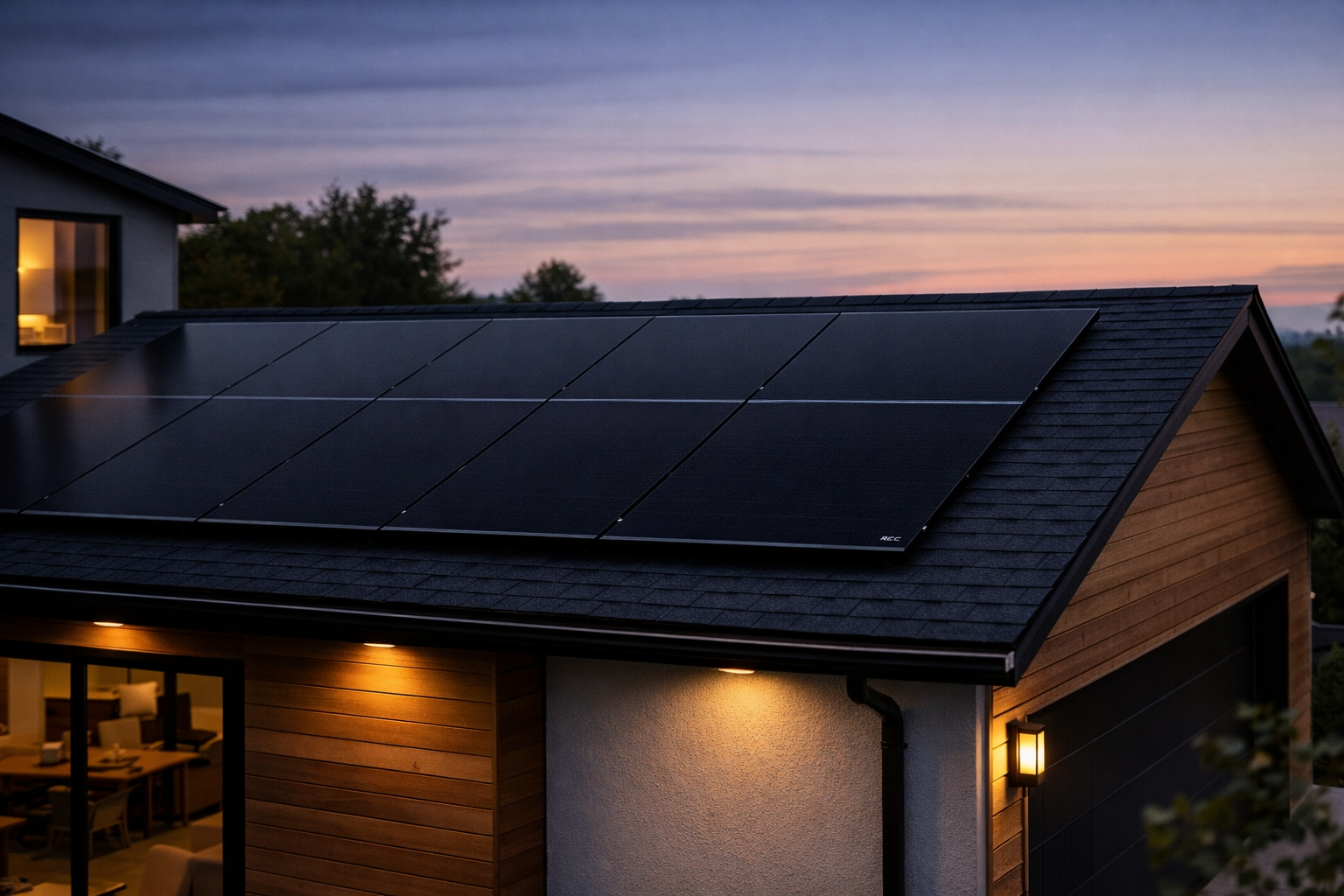
Reliability is not a given
Monolith is about reducing the number of ways a system can disappoint you.
Our Monolith panels use HJT cell technology, which helps them deliver more consistent performance over time, including less of the early output drop known as LID.
What we prioritize
Long-horizon performance consistency
Build quality that supports decades of rooftop exposure
Hardware choices that align with serviceability expectations
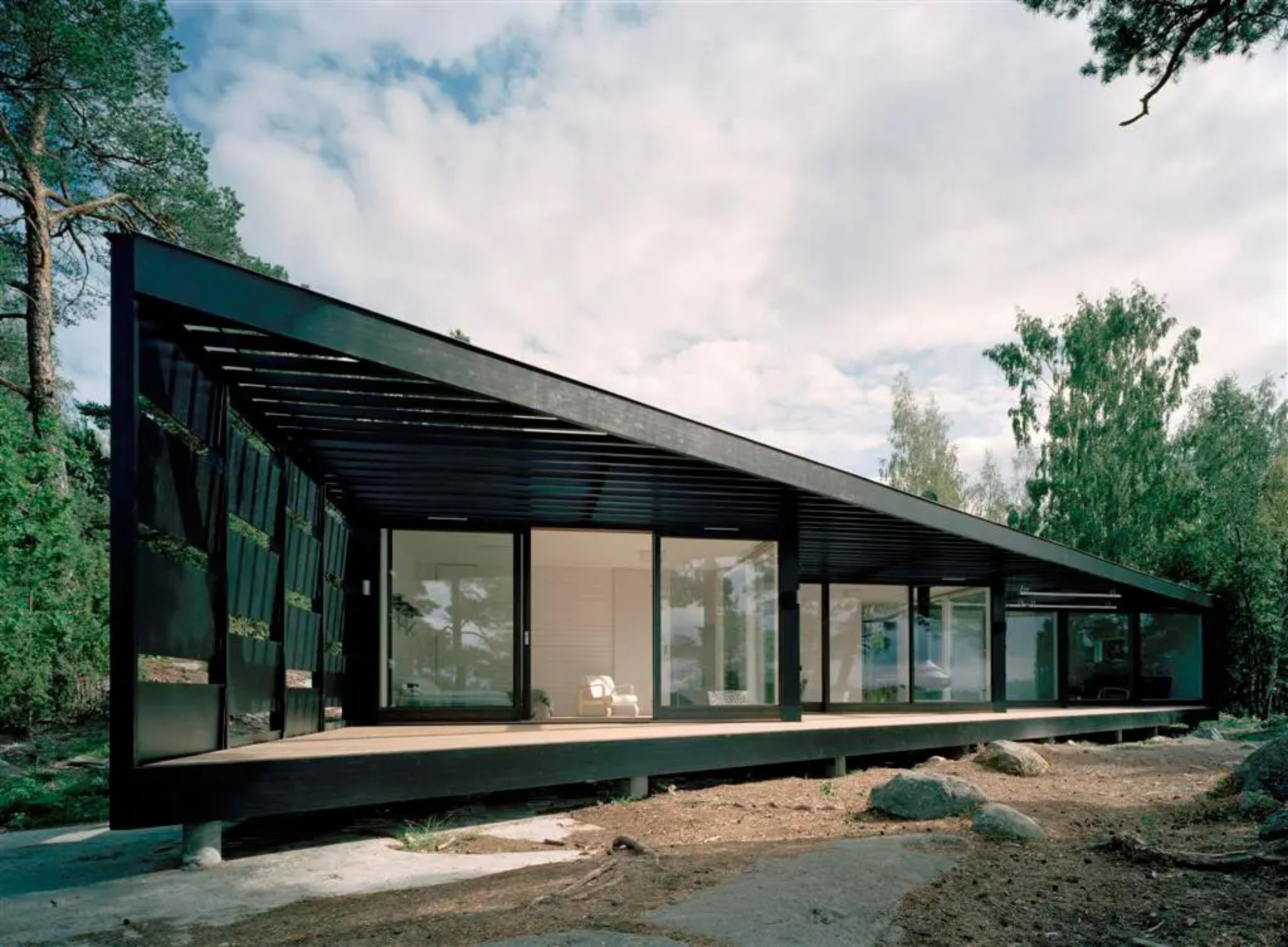
The roofline matters
If your home is design-forward, panels should not look like an afterthought.
Our Monolith panels are full-black, which supports a cleaner, more contemporary roof presentation.
What you will notice
Less visual noise from mixed finishes
A more consistent field across the roof plane
A result that complements the home rather than competing with it
Monolith specs at a glance
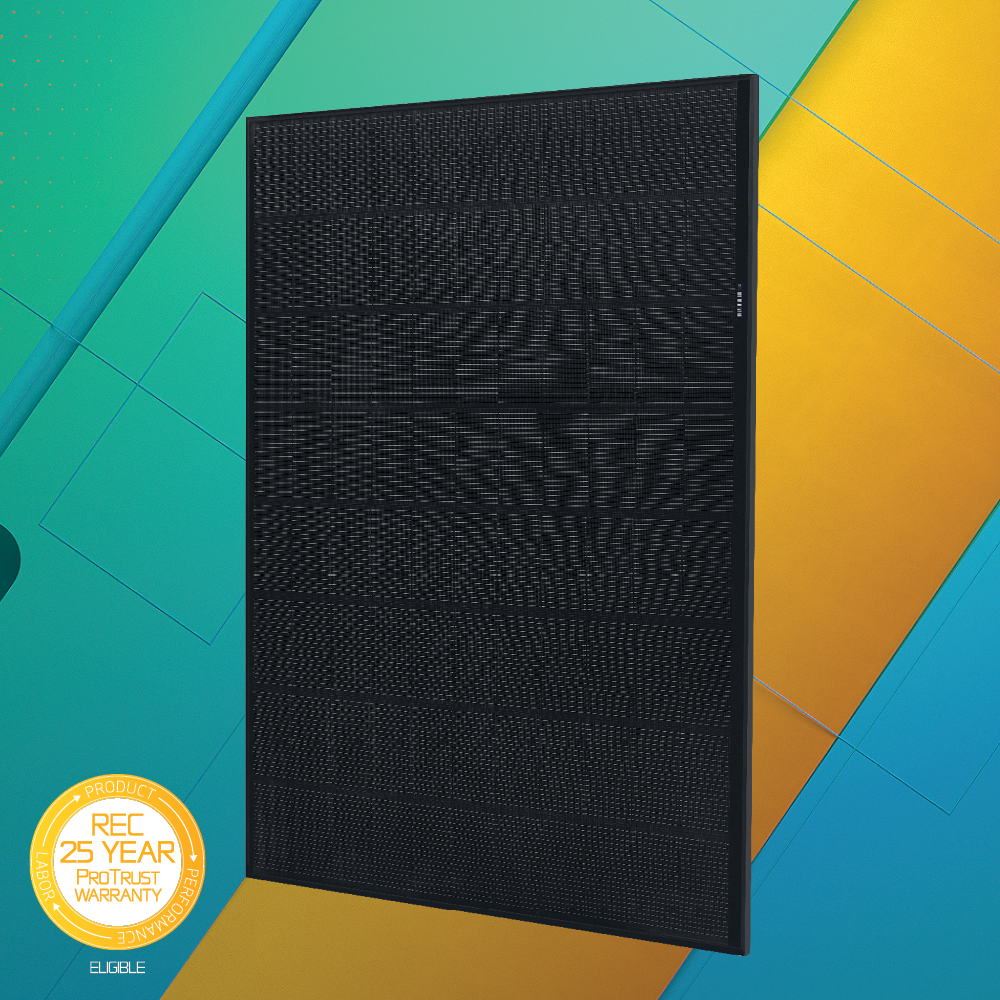
Below are up-to-date figures for our current Monolith panel class. Final selection depends on design and availability.
Spec What to expect
Module output Up to 470W class Efficiency Up to 22.6%
Power density Approximately 21 W/ft² Temp coefficient PMAX -0.24%/°C Warranted degradation 0.25% annually,
92% remaining @ year 25
Finish Sleek, Full-black design
All protected by one of the best warranties in the solar industry.
Below are up-to-date figures for our current Monolith panel class. Final selection depends on design and availability.
Spec What to expect
Module output Up to 470W class
Efficiency Up to 22.6%
Power density Approximately 21 W/ft²
Temp coefficient PMAX -0.24%/°C
Warranted degradation 0.25% annually,
92% remaining at year 25
Finish Sleek, Full-black design
All protected by one of the best warranties in the solar industry.
Is your home Monolith ready
This is a quick fit check. If you match most of these, you are a strong candidate.
You want premium performance from limited roof space
You care about summer output and real-world conditions
You live in a permanent structure and own the building
You want a clean full-black roofline
You plan to own the home long-term
You prefer a build that is documented and high-quality.
Have South-facing exposure on the roof
How Monolith supports what we offer
-
Higher power density supports smarter electrical planning when roof space is limited. It is a strong foundation for critical-load separation and resilient architecture.
-
Heat behavior, degradation expectations, and disciplined installation choices support predictable long-term ownership.
-
A full-black roofline and premium technology choices deliver a modern infrastructure upgrade you can see every day.
FAQ’s
Are these panels good for roofs with partial shade
Yes, especially for normal partial shadows. Our panels use a four-section layout, which helps reduce how much of the panel gets dragged down when only one area is shaded. Shade still reduces total output, but the hit is often less severe than in less segmented designs.
Why do you talk so much about heat
Because heat is common and it affects output. Our panels list a PMAX temperature coefficient of -0.24%/°C, which supports stronger output retention in hot roof conditions.
Do I need a perfect roof to benefit from Monolith
No. Monolith is often most valuable when roof space is tight, the roof has normal obstructions, or the homeowner wants a cleaner array with fewer compromises.
Where can I see the warranty details
We keep warranty terms on our dedicated Warranty page so it is easy to reference and keep current.
Next steps
If you want premium output, a clean roofline, and performance that holds up in real conditions, Monolith is the right place to start.