Commercial solar panels for business
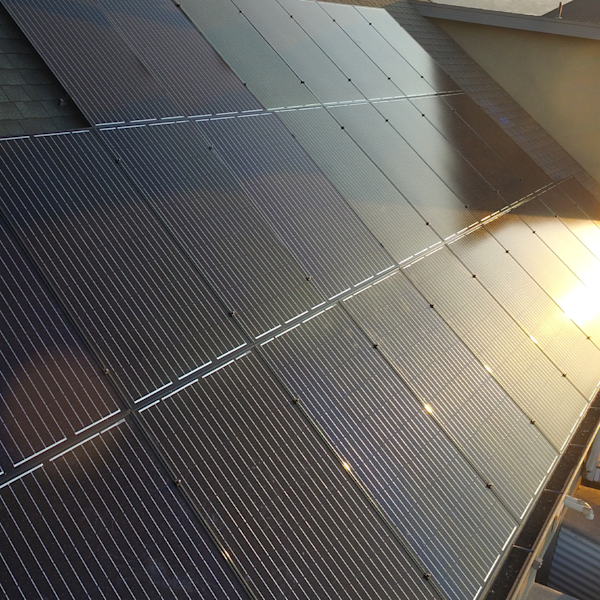
Cut operating costs. Protect uptime. Upgrade your facility.
Commercial solar is not just about “going green.” It is a durable infrastructure upgrade that can reduce electricity spend and improve operational resilience. We design and install solar plus storage systems that are built to perform, easy to service and cleanly integrated with your electrical backbone.
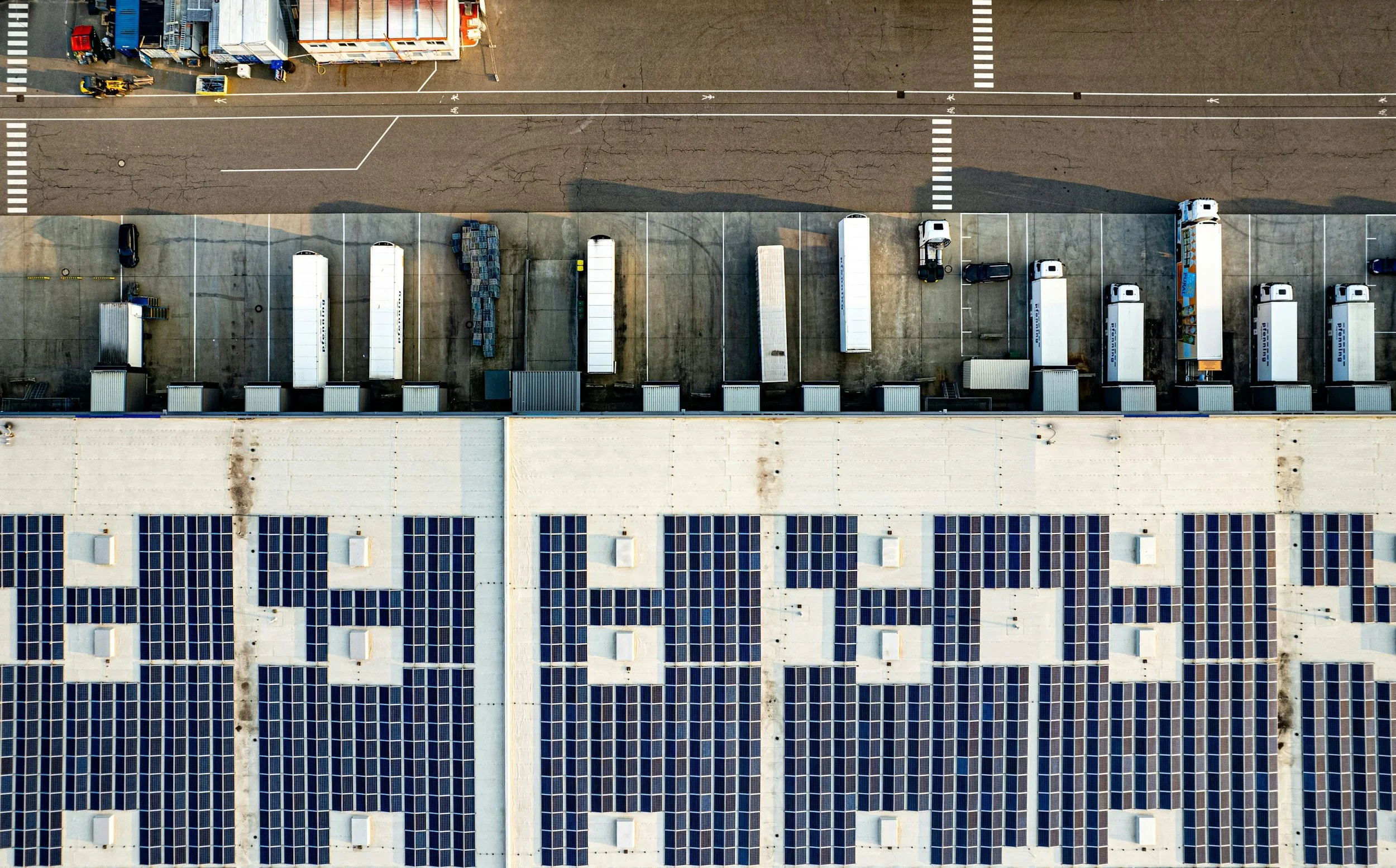
What commercial solar can do for your building
Lower energy costs
Reduce the amount of electricity you buy from the utility and improve long-term cost predictability.
Reduce demand charges and peak costs
Pair solar with storage and smarter load planning to reduce peak demand exposure.
Keep critical loads running
Design for continuity so essential circuits stay up when the grid is stressed.
Make better use of limited roof space
Higher-output equipment matters when area is constrained.
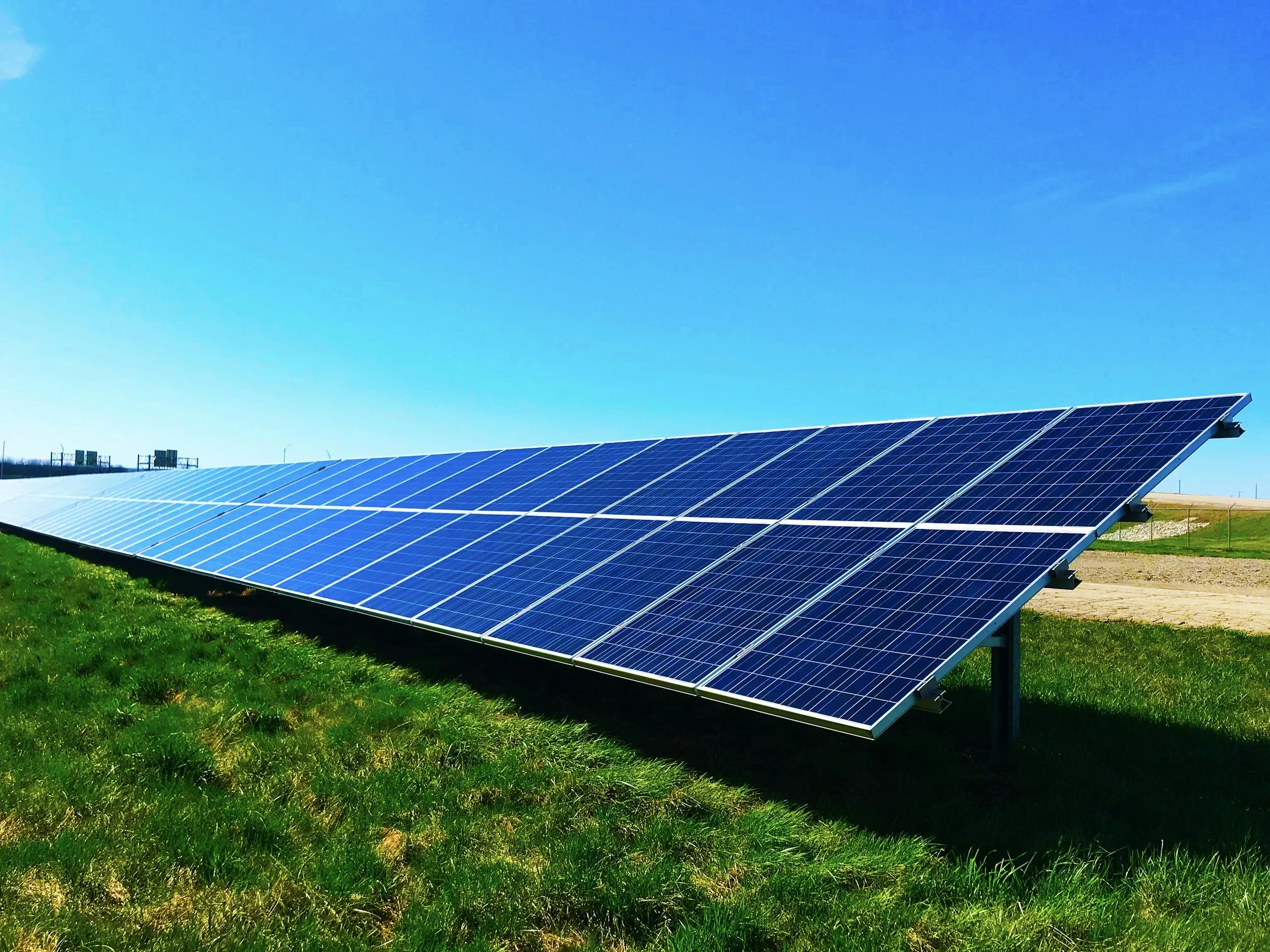
Commercial solar + battery storage, designed for the way you operate
Every site has different constraints: roof area, service capacity, operating hours, peak demand windows, and what downtime costs. We design around those realities.
Common approaches
Bill reduction-focused solar sized to daily usage patterns
Solar + battery storage for peak shaving and partial backup
Critical-load resilience with essential circuits separated and supported
Expandable architecture so storage and EV charging can be added later without ripping things out
A commercial install should be clean, serviceable, and built to last
We build systems that are maintainable, labeled, and designed with long-term service in mind.
What that means in practice
Clear circuit labeling and shutdown points
Accessible equipment placement
Disciplined conduit and wire management
Documentation your facility team can actually use
Monitoring so performance is visible, not assumed
Equipment that performs and presents well
We build around premium components selected for output per square foot, durability, and a clean finished look. For all of our projects, we recommend REC Group panels when they match the site and goals, including high-output options that help when usable roof area is limited.
Our Process
1) Discovery and goals
We align on what matters most: cost reduction, demand reduction, backup power, or a blend.
2) Site walk and load review
We review roof conditions, service capacity, shading, and operational priorities.
3) Concept and pricing
You get a clear scope with options for solar-only vs solar + storage.
4) Engineering, permits, interconnection
We handle the technical paperwork and coordinate around your schedule.
5) Installation and commissioning
Clean install, testing, documentation, and handoff.
6) Monitoring and support
You get visibility into system performance and a clear path for support after PTO.
Incentives and project documentation support
Many commercial projects involve a mix of credits, depreciation, and financing aligned to the asset life. We provide the documentation your CPA or finance partner needs: scope, equipment set, production estimates, commissioning notes, warranties, and as-builts.
External links to review
We are not tax advisors. We supply project documentation so your professionals can make the final determinations.
Frequently Asked Questions
-
They often are when the system is sized to your load profile and designed with demand charges, peak windows, and operational risk in mind. The best candidates typically have meaningful daytime load or expensive peak demand.
-
Pricing depends on system size, roof condition, electrical scope, storage requirements, and local permitting and interconnection. We can provide a real estimate after a site walk and load review.
-
Sometimes, depending on roof area and load. Many businesses choose a practical target: offset a meaningful share of usage while protecting critical loads with storage.
-
Yes. We can standardize equipment, documentation, and reporting across locations for consistency.