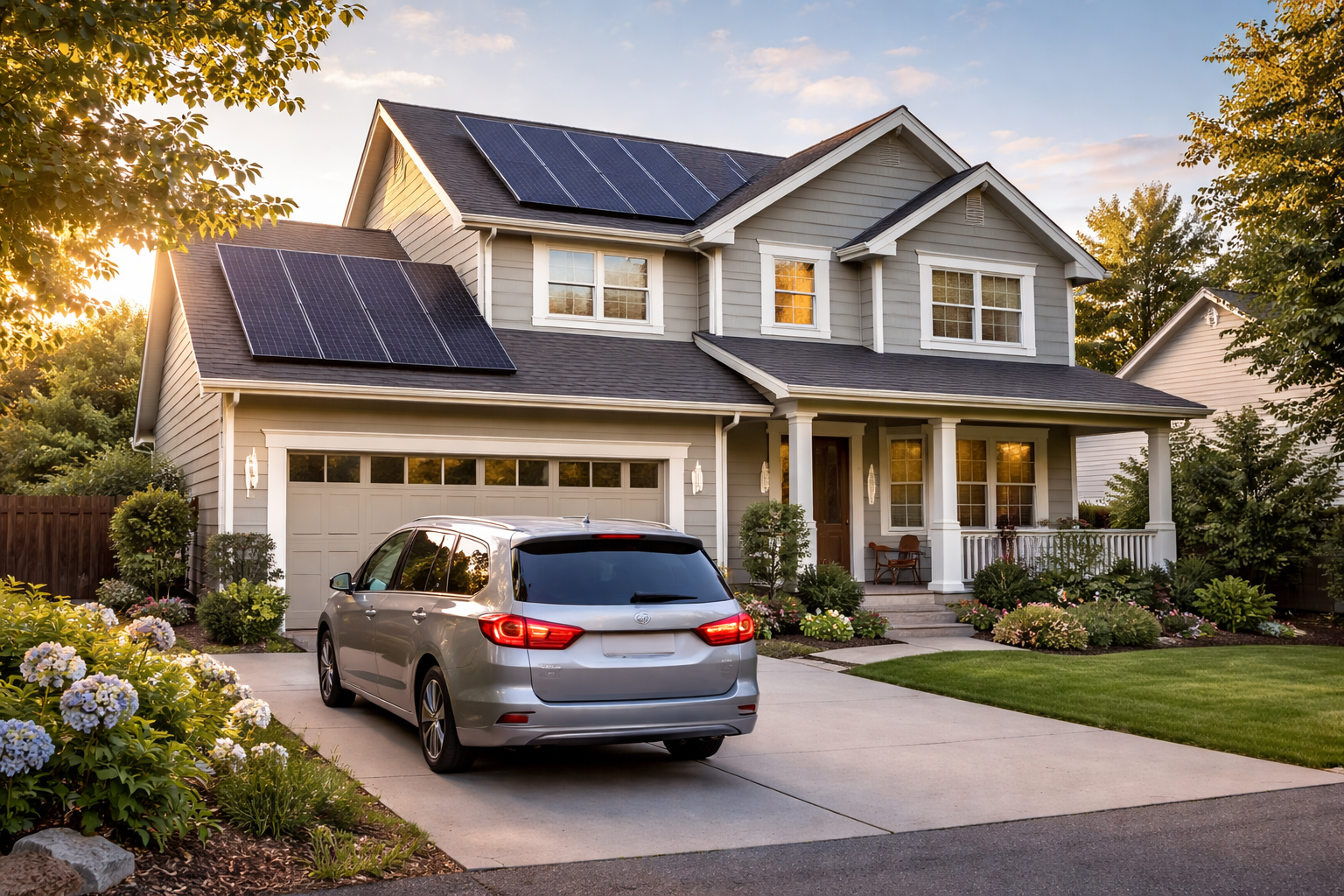
Are Solar Panels Worth It? Stability Means Predictable Power and Long-Term Value
Frequently Asked Questions
-
Solar panels do not produce power at night. Your home uses grid power after dark unless you have battery storage or another backup source. Solar can still be worth it because daytime production offsets what you would otherwise buy from the utility, and the financial impact is measured over months and years, not just overnight.
-
Yes. Panels still produce electricity on cloudy days, just less than they do in full sun. A stable system is designed using real production assumptions across seasons and weather, so performance stays predictable instead of depending on perfect conditions.
-
Most standard grid-tied solar systems shut off during an outage to protect line workers. If backup power is a priority, you typically need equipment designed for backup operation, often paired with battery storage. When people ask if solar is worth it, it helps to separate “bill savings” from “backup capability,” because they are related but not the same goal.
-
Solar reduces the amount of electricity you buy from the utility by producing power on-site. Your bill depends on what you consume, what your system produces, and how your utility credits exports (net metering or other rate rules). The stability question is whether the system meaningfully lowers long-term cost exposure, not whether every month hits zero.
-
It depends on your annual usage, roof space, shade, panel output, and your goals. Some people want the best payback, others want maximum offset, and some want room for future electrification. A good estimate starts with your kWh history, then designs around roof constraints and realistic production expectations.
-
Often, yes, especially when the system is cleanly installed, well documented, and easy to service. Value is higher when the equipment is premium, the layout looks intentional, and the ownership terms are straightforward. Buyers tend to discount systems that feel confusing or difficult to maintain.
-
Many modern panels are designed to produce for decades, with gradual performance decline over time. The bigger factor for “worth it” is not just panel lifespan but total system serviceability: inverter and electrical components, monitoring, and workmanship quality.
-
A properly engineered install should not damage your roof. Whether your roof warranty is affected depends on your roof type, installer practices, and manufacturer terms. The safest path is documented installation standards, correct flashing and sealing, and clear responsibility for workmanship.
A calmer monthly bill & a stronger long-term plan
Stability is a design principle. It’s what happens when your home produces more of what it needs, your energy costs become more predictable, and your investment is built to hold value over the long haul.
As utility rates rise, demand on the grid grows, and extreme weather drives more outages, stability stops being a nice-to-have. It becomes part of protecting your household.
What is changing and why it matters
Energy is getting less predictable.
You are seeing it in:
Rising utility costs and rate adjustments that do not wait for your budget cycle
New demand from large loads like data centers that increase pressure on the grid
More frequent extreme weather that turns “rare outage” into “plan for it”
Stability means you are not relying on a single outside system to behave perfectly. If outages are part of your planning, our panels pair naturally with home battery backup.
The investment mindset: is solar worth it?
Solar is a major purchase. Treat it like one.
We build systems for people who ask:
Will this still feel like a good decision in 10 years?
What happens if something needs service?
What is the real cost over time, not just the monthly payment?
What will a future buyer see and value?
That is the Stability standard. Clarity, quality, and a system built to last.

Protection built into the design
Most costly issues are not dramatic. They are avoidable
We protect your long-term interests with:
Realistic planning that reflects all seasons, not just perfect sunny days
A clean, organized build that is meant to last
Redundancy where it matters so small issues do not become big downtime
Strong electrical protection to safeguard the system
Thorough checks at turn-on so performance is confirmed
Monitoring that makes issues obvious so problems are caught early
Clear labels and documentation so future service is straightforward
This is how solar becomes a responsible home investment
Stability is not just emotional, it’s financial
Most people do not need extreme solutions. They need reliable ones.
More predictable energy costs over time
A home upgrade done with care and discipline
Premium equipment chosen for long-term performance
Monitoring and documentation that protect your solar investment after install day
This is about more than chasing savings. It is about protecting your plan.

How we work
Understand the plan
We start with your goals: cost predictability, long-term value,
outage expectations, and what matters most in your household.Design for long-horizon ownership
We treat roof realities, shade, energy use, and equipment choice
as one integrated plan.Install with discipline
Permitting, installation, final checks, monitoring setup, and
documentation. The handoff is clean and verifiable.
Our promise
Stability is about fewer unknowns over time.
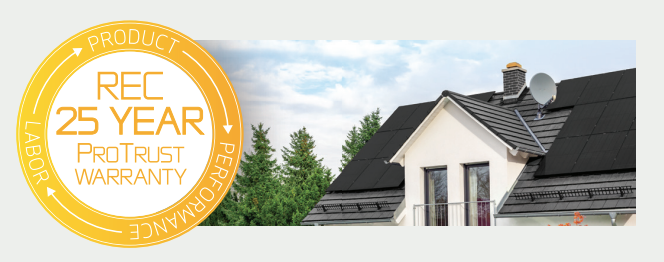
With REC Monolith panels backed by the REC ProTrust Warranty, performance,
product, and labor coverage are aligned under a single, manufacturer-backed promise.
For homeowners focused on protecting their family and financial future, that
means clearer expectations, fewer surprises, and confidence that support will still be
there years down the road.
We see solar as infrastructure. Our promise is to treat it that way.
Our perspective
We take energy seriously as practical infrastructure. We also respect what energy represents inside a household: safety, steadiness, and peace of mind.
Our spiritual perspective is part of our internal compass and brand DNA. It shows up as integrity, care, and discipline in the work.
If you want stability you can feel and numbers you can live with, start with premium hardware and a build standard that protects your long-term interests.