Are Commercial Solar Panels Worth It for Businesses?
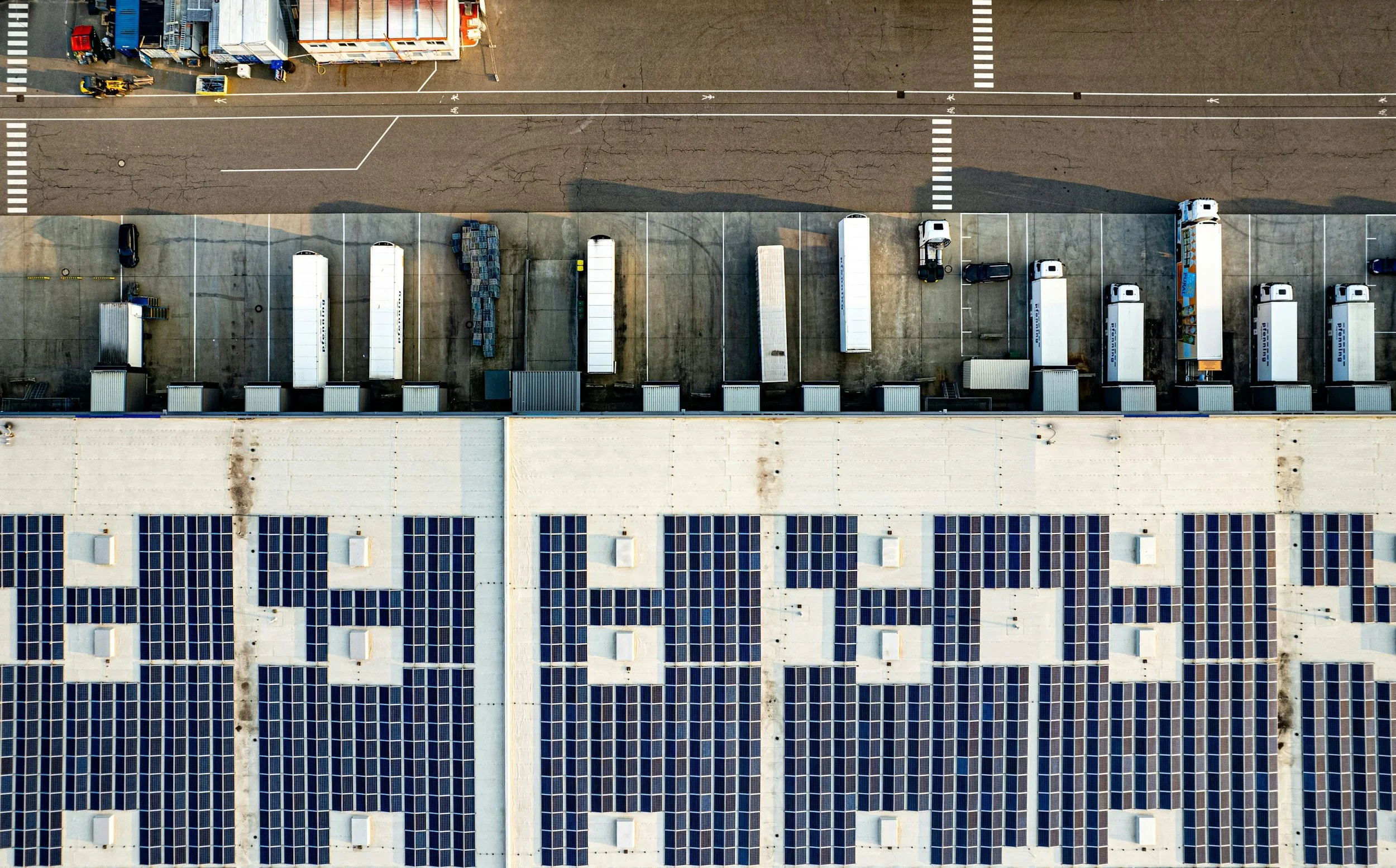
If your business has meaningful electric spend, commercial solar is usually worth serious consideration because it turns a monthly utility bill into on-site production you can forecast. The question is not “does solar work,” it is “does solar work for your site, your tariff, and your ownership plan.”
Here is the most honest way to frame it.
The headline: realistic savings for a typical small to mid-sized business
A practical benchmark for many small to mid-sized businesses is:
$75,000 to $120,000 in net electricity-cost savings over 20 years.
Why use a range instead of a single number? Because real projects have real friction: equipment output declines gradually over time and systems have ongoing O&M and monitoring costs. NREL’s ATB bakes in an assumed PV degradation rate of 0.7% per year.
What that savings range actually means
Think of the $75k to $120k as a net number over 20 years that can include:
avoided utility purchases (your biggest lever)
normal performance decline over time (degradation)
typical ongoing costs like monitoring and maintenance
It is not a promise, it is a reasonable planning band for businesses that have decent solar access and a tariff where offset kWh are valuable.
If you want a quick mental translation, that range is roughly $3,750 to $6,000 per year on average over 20 years, though real savings are usually front-loaded or back-loaded depending on utility rate trends and how the system is financed.
A quick way to sanity-check your own site
You do not need a full engineering study to get a directional answer. You need two numbers from your bills:
Annual kWh usage
Average effective price per kWh (total charges ÷ total kWh)
As a national anchor, EIA’s Electric Power Monthly Table 5.3 shows average electricity prices by sector through November 2025.
Now apply this simple check:
Annual savings ≈ (kWh offset by solar) × (your value per kWh)
Most commercial projects pencil best when your load is strong during the day and your system can offset a meaningful slice of annual consumption without dumping excess exports at a low credit rate.
Why savings vary so much between businesses
Two businesses can install the same sized system and get very different results. The biggest drivers are:
Your tariff and peak demand behavior
Some businesses pay a lot through demand charges, time-of-use periods, or demand ratchets. Solar can help, but it helps most when your peak aligns with sun hours. In some cases storage improves the economics because it targets peak shaving rather than just energy offset.
Your load shape
Daytime-heavy usage tends to match solar output best. Examples: HVAC-dominant buildings, refrigerated facilities, medical offices, manufacturing with day shifts, warehouses with daytime activity, fleet charging done midday.
Your site and build complexity
Roof condition, structural constraints, membrane type, shading, available electrical capacity, and interconnection complexity can move price and timeline.
Incentives and tax posture
Federal incentives can materially change net cost, but they are not one-size-fits-all. The IRS states the Clean Electricity Investment Credit has a base rate and can be increased for projects meeting prevailing wage and apprenticeship rules, plus bonus adders for domestic content and energy community location.
If your company cannot efficiently use tax benefits, that does not kill the deal, it changes the best structure.
Ownership options and what they mean for your business case
Most businesses land in one of these three paths:
1) Own the system (cash or loan)
Best long-term economics if you can use incentives and you want the asset on your balance sheet. You take on performance risk, but you also keep more upside. With less certainty, and higher upfront investment, your increased risk means higher overall savings over the life of the system.
2) PPA or lease (third-party ownership)
Often attractive if you want low upfront cost and a predictable price for energy. The little you trade in overall cost savings, you pick back up in stability, confidence, and low upfront investment. Read escalation clauses and buyout terms carefully.
3) Hybrid structures
Sometimes used when a business wants ownership later or wants to monetize incentives through a partner. We see many businesses begin on a leasing basis to get their system up and running and then move to purchase the system outright around the 5 year mark. This strategy maximizes savings while mitigating risk and initial investment costs.
“Is my roof even a candidate?”
A good installer will answer this quickly, but here is the pre-check:
Roof has enough remaining life to justify installing a 25+ year asset
Minimal shading during peak sun hours
Structure can support the added load
Electrical room and interconnection path are feasible
If the roof is near end-of-life, it is usually smarter to coordinate solar with a roof replacement or a ground-based system rather than forcing a compromised install.
The non-financial value most operators care about
Even when the ROI is the headline, owners often care just as much about:
price stability for budgeting
reputation and customer trust signaling
facility value when selling or refinancing
resilience when paired with storage or critical loads planning
In plain terms: solar is often both a financial project and a risk-management project.
What to do next if you want the exact figures for your business case
If you can share 12 months of bills or even just the totals, the path is straightforward:
Confirm annual kWh and effective price per kWh
Estimate feasible system size based on roof or canopy area
Model offset percentage and export value
Choose ownership structure that fits your tax posture and risk tolerance
Validate interconnection requirements and permitting path
Next steps with Lumina
If you value predictability and cost stability for your business, with an eye on managing upfront costs, gather the information above and reach out for a commercial consultation today. We’ll work through the figures and set up a site walk to compile a comprehensive estimate built around your business needs and your goals for the future.
