Are Solar Panels Bad for Your Roof?
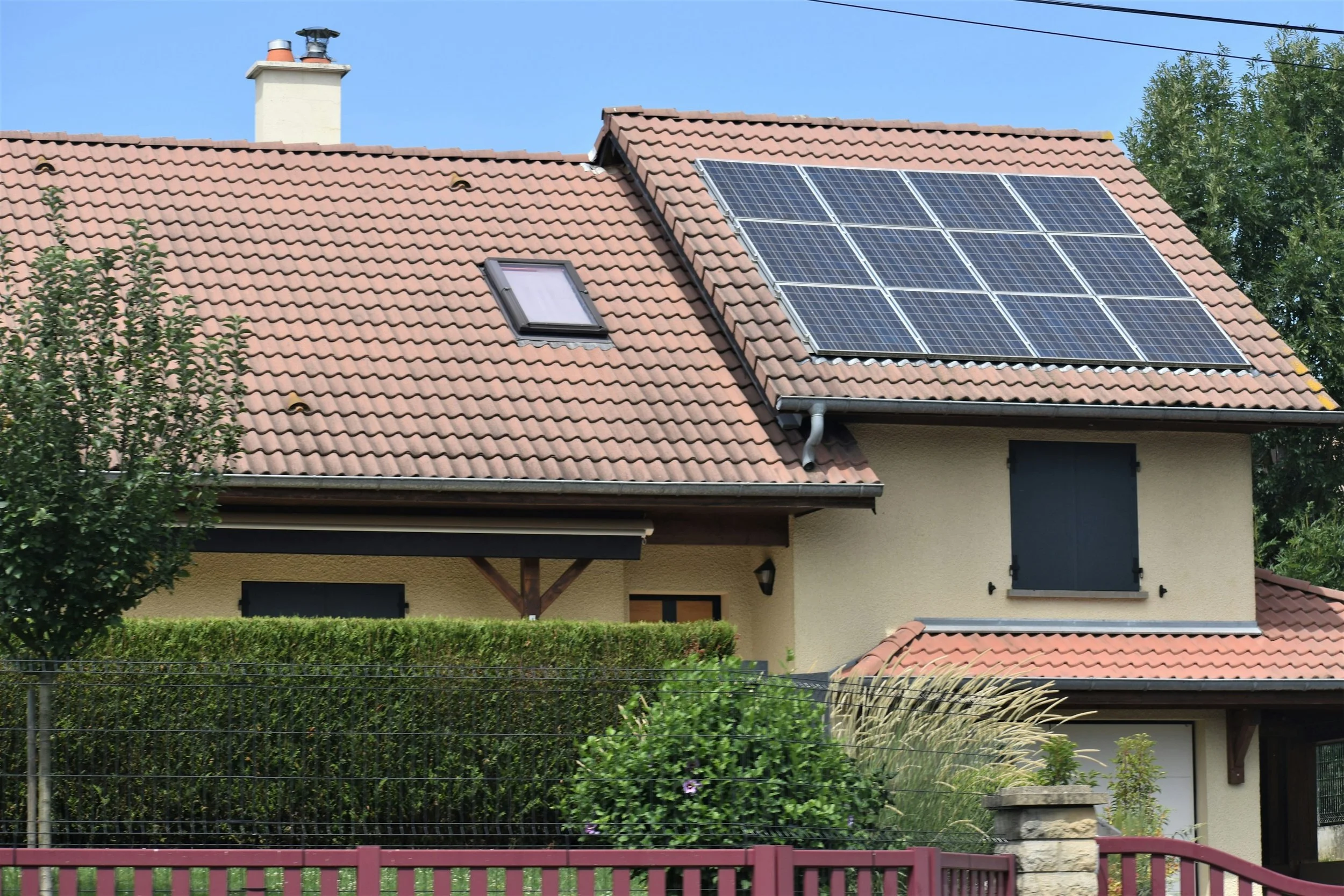
Solar panels are not inherently bad for your roof. What can be bad is putting anything through a roof without the right waterproofing, on a roof that is already near the end of its life, or with an installer who treats “roofing” like a minor step on the way to getting panels up.
If you remember one thing, make it this: most roof problems blamed on solar come from roof penetrations done incorrectly or from installing on a roof that should have been replaced first.
At Lumina Works Co., our stability philosophy is simple: predictable outcomes over decades. That starts with a roof that stays dry.
The real risk: roof penetrations and flashing
A roof stays dry because of layers and pathways that move water away from the deck. A mount point interrupts that system, so it has to be handled like roofing work, not “solar work.”
What you want to hear from an installer:
“We use a flashing method appropriate for your roof type.”
“Mounts are lagged into framing as designed, not guessed.”
“Penetrations are flashed and sealed per code and per the roofing manufacturer requirements.”
“We can show photos of this exact method on your roof type.”
If the explanation is basically “we use a lot of sealant,” keep shopping.
It’s always recommended to check with your roofing manufacturer or contractor for documentation on recommended solar installation and flashing methods, like this solar install guide from GAF.
FAQs
-
Not inherently. Leaks typically come from penetrations that are not flashed and sealed correctly. Require the flashing approach in writing and make sure it aligns with roof manufacturer requirements and code.
-
If you expect to replace your roof within the next few years, doing the roof first often avoids paying for removal and reinstallation later.
-
Per-panel weight is not the right metric. Roof evaluation looks at distributed dead load, attachment point loads, and wind uplift. A serious installer accounts for these in design and permitting.
What homeowners worry about (and what actually matters)
Leaks
This is the big one and it is also the most preventable. Leaks happen when roof penetrations are not flashed and sealed to local code and the roofing manufacturer’s requirements. That is not “extra” work, it is the baseline. SEIA’s installation standard language is clear about penetrations needing to be properly flashed and sealed. (External reference: SEIA standard)
Roof damage during installation
Broken tiles, scuffed shingles, torn underlayment, crushed ridge caps. That comes from careless walk paths, staging, and rushed crews. A quality crew treats the roof like a finished surface.
Warranty problems
Roof warranties can get complicated fast. Some manufacturers have specific requirements for penetrations, sealants, and approved repair methods. If your solar installer will not coordinate with your roofer or follow manufacturer requirements in writing, treat that as a warning sign.
Critters and nesting under panels
The small gap under an array can attract birds or squirrels in some areas. This is solvable. Ask about a critter guard or wildlife barrier at the perimeter. It is a small design choice that can prevent a lot of frustration.
When solar actually can be “bad for your roof”
Solar can be a bad call if one or more of these are true:
Your roof is near end-of-life
If you expect to replace the roof in the next few years, it is often smarter to do the roof first and then install solar. Otherwise you may pay for removal and reinstallation later, sometimes called “remove and reinstall” or “R&R.”
Your roof type needs specialized mounting
Tile, slate, cedar shake, standing seam metal, and low-slope membrane roofs each have their own rules for waterproofing. If your installer does not regularly work on your roof type, you are adding risk.
Existing attic moisture issues
Solar does not create attic moisture, but existing ventilation or condensation problems can show up later and get blamed on the array. It is worth documenting the baseline before install.
Myth vs reality: “solar is too heavy for roofs”
You will see people talk about a panel weighing around 40 pounds. That is not how roofs are evaluated.
What matters is:
total dead load spread across the roof area (often evaluated in pounds per square foot)
point loads at attachment points and whether mounts hit framing correctly
wind uplift requirements, which can be more important than weight
Good installers treat this as part of responsible design and permitting, and NREL’s permitting guidance is a solid reference for how rooftop PV should be handled in the real world. (External reference: NREL permitting guidance)
Translation: many roofs can support solar, but the installer should verify structure and attachment rather than wave it off.
The roof age rule that saves money
Solar modules can last decades. Roofs vary. If your roof will not outlast the system, you have two clean options:
Replace the roof first, then install solar
Install solar now, and plan for removal and reinstallation later
Neither option is “wrong.” The wrong move is pretending this is not part of the math.
If you are unsure where you fall, book a consult and we will talk it through with real assumptions. You can start here: Book a Consultation.
The homeowner checklist (copy and paste this)
Step 1: Confirm roof condition
Ask for an honest assessment of:
remaining roof life
existing soft decking or flashing issues
any active leaks or staining in attic areas
Step 2: Require the waterproofing plan in writing
Ask:
“What flashing method will you use on my specific roof type?”
“Confirm penetrations will be flashed and sealed per code and roofing manufacturer requirements.”
“Who pays if a leak occurs at a mount point and for how long?”
Step 3: Confirm structural attachment and permitting approach
Ask:
“How do you ensure every mount hits framing?”
“How do you account for PV dead load, point loads at attachments, and wind uplift in design and permitting?”
Step 4: Plan for serviceability
Ask:
“If something fails in year 12, can a tech safely access and service it without removing half the system?”
“How are conduit and wiring routed so they stay protected, neat, and do not create water paths?”
Serviceability is a Stability issue. It is also a cost issue.
Can solar protect your roof?
Sometimes, yes. Panels shade the roof area beneath them, which can reduce UV exposure and weathering in that covered footprint. That does not stop roof aging, but it can help in the areas under the array.
The deciding factor is still the quality of penetrations and the condition of the roof around them.
What competence looks like in a roof-safe solar install
For us, competence means you should not have to hope your roof stays dry after solar. You should know it will, because the work is done to spec and the system stays serviceable long after the install crew is gone.
That shows up as:
proper flashing at every penetration, matched to the roof type
mounts secured into structure as designed
a layout that respects drainage and avoids debris traps
clean cable management and weather-resilient components
premium modules when roof space is limited, including REC Monolith for high output and a clean solid-black roofline
warranty clarity, including how we stand behind workmanship alongside long-term coverage like ProTrust
If you want an install that prioritizes long-term predictability, start here:
